
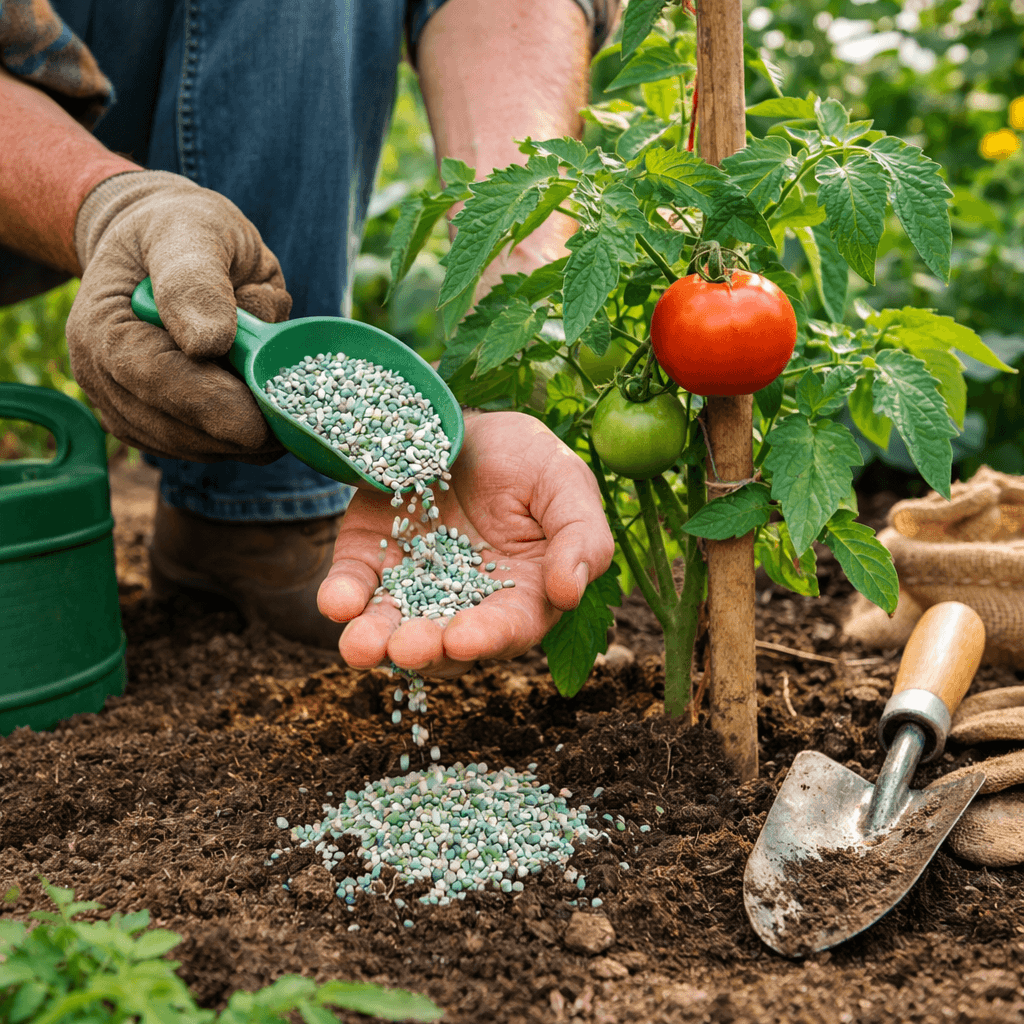
The first time I pushed my fingers into a bag of slow-release fertilizer, I thought it looked like fish food. It seemed ordinary, even dusty. I doubted it would make a real difference.
That doubt disappeared quickly. Within ten days, my nitrogen-starved tomato plant turned deep green and healthy again.
Fertilizing plants is not just a chore. It is a process between the grower and the soil. It takes patience and understanding.
Understanding What Your Plants Need
Before you apply fertilizer, you need to understand your soil. A soil test shows the pH, nutrient levels, and organic matter. These factors control how plants absorb nutrients.
Every fertilizer label shows three main nutrients:
- Nitrogen (N) supports leaf growth
- Phosphorus (P) helps roots and flowers
- Potassium (K) improves strength and stress resistance
Each nutrient has a clear role. For example, too much nitrogen on a flowering rose will reduce blooms and increase leaves.
Choosing the Right Fertilizer: Organic vs Synthetic
Over the years, I started to prefer slow-release organic fertilizers for most garden beds.
Organic fertilizers like compost, bone meal, and fish emulsion release nutrients slowly. Soil microbes break them down over time. This process reduces the risk of burning roots.
Synthetic fertilizers work faster. Plants absorb them quickly, which helps when you need fast results. However, they require careful use.
In practice, both types work well. The best growers know when to use each one.
Timing and Application: When and How I Fertilize
Timing matters a lot. Fertilizer at the wrong time can harm plants.
For example, do not fertilize a dry plant. This can damage roots and burn leaves.
The best time to fertilize is early spring when growth starts. You can add another feeding in mid-season if needed.
For container plants, apply small amounts every two to four weeks. Water often washes nutrients out of the soil.
Reading the Signs: Over- and Under-Fertilizing
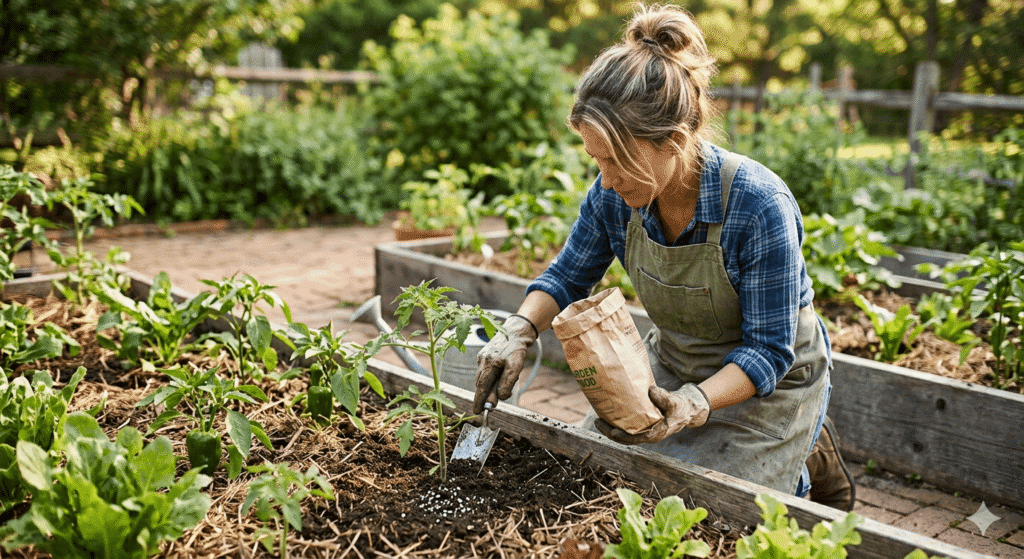
Plants show clear signs when something is wrong.
Yellow lower leaves often mean nitrogen deficiency. Purple tones under leaves can point to phosphorus problems.
Over-fertilizing shows different signs. You may see burned leaf edges, wilting, or white salt on the soil surface.
Experienced gardeners watch these signs carefully. They adjust before problems get worse.
My Field-Tested Fertilizing Method
After years of practice, I follow a simple method:
- Test the soil before each season
- Water plants before adding fertilizer
- Use half the dose for young plants
- Wait two weeks and observe results
- Stop fertilizing before cold weather
Final Thoughts from the Garden
Fertilizing plants requires attention. The more you observe, the better results you get.
Plants respond in their own way. They show growth, color, and strength when conditions are right.
Even after years of gardening, I still find this process rewarding.