
Best Fertilizer for Peace Lily: What Actually Works (From Someone Who Killed One First)
A real grower’s guide — specific nutrients, timing mistakes, the half-strength rule, and the water quality tip most articles never mention.
Key Takeaways
- Peace lilies are light feeders — less fertilizer, applied more carefully, beats more of it every time.
- Always dilute liquid fertilizer to half the recommended dose. Full strength burns roots fast.
- Feed only during spring and summer. Stop completely in fall and winter.
- Brown leaf tips are almost always fertilizer burn — not a watering problem.
- The water you use matters. Hard tap water plus fertilizer is a double stressor for peace lilies.
- Worm castings are virtually impossible to over-apply and improve soil structure at the same time.
- If you see white crust on the soil surface, flush the pot immediately — salt buildup is hurting the roots.
My first peace lily died because of me — specifically, because I overfed it.
More fertilizer meant faster growth, or so I thought. That turned out to be completely wrong. The leaves burned at the tips, turned crispy, and the whole plant looked like it was giving up on life. That was three years ago. Since then I have grown seven peace lilies, two of which are absolutely thriving right now on my kitchen shelf. I learned what works, what destroys these plants, and why most advice online misses the point entirely.
If you want to find the best fertilizer for peace lily plants without repeating my mistakes, this is the article you actually need.
Why Peace Lilies Are Different From Other Houseplants
Before we even talk about fertilizer brands, you need to understand something important.
Peace lilies are not heavy feeders.
Most tropical houseplants love a regular feeding schedule. Peace lilies do not. They come from the forest floor in Central America where the soil is rich but nutrients are released slowly over time. They are adapted to low, steady nutrition — not sudden bursts of it. According to the Missouri Botanical Garden’s Spathiphyllum profile, peace lilies thrive in conditions that closely mimic their shaded, humus-rich forest floor origins — which tells you a lot about how gently they want to be fed.
This changes everything about how you fertilize them.
When I first started, I treated my peace lily like my pothos. Big mistake. The pothos loved the feeding schedule. The peace lily revolted. Those brown leaf tips everyone complains about? Nine times out of ten, that is fertilizer burn, not a watering problem. Other low-maintenance tropical indoor plants like orchids have their own quirks too — I found that out when testing how orchid fertilizer behaves differently in bark vs moss growing media.
What Nutrients Does a Peace Lily Actually Need?
Every fertilizer has three main numbers on the label. You will see something like 20-20-20 or 10-10-10. Those numbers are NPK: nitrogen, phosphorus, and potassium. Here is what each one does for your peace lily specifically:
- Nitrogen (N) — This feeds the leaves. It keeps them dark green and glossy. Peace lilies are mostly grown for their foliage, so nitrogen matters most.
- Phosphorus (P) — This supports root development and flowering. If you want those white spathes to appear, phosphorus plays a role.
- Potassium (K) — This helps the overall health of the plant. Think of it as the immune system support.
For peace lilies, a balanced fertilizer works well. Something like a 20-20-20 diluted to half strength. Or even a 10-10-10 applied at the recommended rate without doubling it. The ratio is less critical than the application rate. Applying too much of even a perfect fertilizer will still burn the roots. If you want a broader look at how NPK ratios work across different plant types, my guide on the best fertilizer for plants and flowers covers the full picture in plain language.
The Best Fertilizer for Peace Lily: My Top Picks With Honest Notes
This is what I use and what I recommend to every beginner. A standard balanced liquid fertilizer like a 20-20-20 formula diluted to half the recommended dose is the safest and most effective option for peace lilies.
Why half strength? Because the instructions on the bottle are written for heavy feeders. Peace lilies are not that. When I followed the full dose on my first plant, I got root burn within two weeks. When I switched to half strength, the plant stabilized and actually started pushing new leaves.
How I do it: Mix half a teaspoon into a gallon of water and apply every four to six weeks during spring and summer. That is genuinely all you need.
What I Like
- Easy to find and inexpensive
- Full control over dosage
- Shows results within 1–2 weeks
Watch Out For
- Never apply to dry soil
- Full-strength dose burns roots fast
If you are the kind of person who forgets to fertilize, slow-release granules are a smart option. You sprinkle them on the soil surface once every three to four months and they do the work for you, breaking down gradually with each watering.
I used these during a period when I was traveling a lot. My peace lily did surprisingly well — consistent, gentle feeding with zero risk of a sudden overdose in one sitting. If you are still weighing whether granules or liquid feed suits your routine better, I wrote a detailed breakdown on liquid vs granular fertilizer for houseplants that covers exactly when each format earns its place.
What I Like
- Cannot overfeed in one application
- Very low effort to maintain
- Great for busy schedules
Watch Out For
- Some formulas are for outdoor plants — check the label
- Look for indoor / tropical plant versions
This one surprised me the most. A friend who has been growing houseplants for over twenty years told me about worm castings. I was skeptical — it sounds unusual — but I mixed some into my peace lily’s soil during a repot and the results were genuinely impressive.
Worm castings are naturally rich in slow-releasing nutrients and beneficial microbes. The nutrient concentration is low enough that the plant takes what it needs without getting burned. It is almost impossible to over-apply them.
How I use it: Mix about 20% worm castings into the potting mix when repotting. Top dress the soil with a thin layer once a year. If you are still deciding whether an organic or synthetic approach makes more sense for your container plants overall, my comparison of organic vs synthetic fertilizer for potted plants is worth reading before you commit to either route.
What I Like
- Zero risk of fertilizer burn
- Improves soil structure
- 100% natural, no chemicals
Watch Out For
- Not a fast fix for active deficiency
- Works best as a long-term approach
I think of this as a vitamin boost rather than a main feed. Kelp fertilizers are very low in NPK but rich in trace minerals and growth hormones that help the plant stay healthy and resilient. I use this every couple of months alongside my main feeding routine.
My peace lily’s leaves look noticeably shinier and more vibrant when I include this in the rotation. It is gentle enough that there is almost no risk of causing harm if you follow the label.
What I Like
- Extremely gentle — very low burn risk
- Adds trace minerals main feeds miss
Watch Out For
- Cannot replace a balanced fertilizer
- Use as a supplement only
When to Fertilize Peace Lily Plants
Timing matters as much as what you use.
- Spring Resume feeding in March. Half strength balanced liquid fertilizer every 4–6 weeks.
- Summer Continue feeding through July and August. Watch the plant after each application for any tip browning.
- Early Fall One final light feeding in September, then stop completely.
- Winter No fertilizer from October through February. The plant is resting and cannot use it.
The Winter Feeding Mistake
I made this mistake in my second winter. I kept feeding through December because the plant still looked healthy.
By January, the leaf tips were brown and crispy. The culprit was accumulated fertilizer salts in the soil from feeding a plant that was not actively growing.
When the plant is not using nutrients, they build up. Always stop in fall.
Signs Your Peace Lily Needs Fertilizer
Sometimes the plant tells you exactly what it needs. Here is what to look for:
- Pale or yellowing leaves — If the leaves are losing their deep green color, nitrogen may be low.
- Very slow growth despite good light and watering — Can indicate nutrient deficiency, especially in a plant that has been in the same pot for over a year.
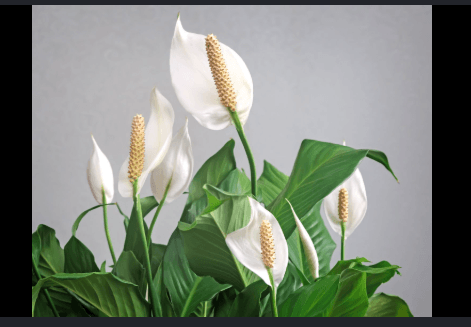
- No flowers for a long time — If your peace lily has not bloomed in two or more years and conditions seem right, a phosphorus boost can sometimes help trigger flowering.
Signs You Are Overfeeding Your Peace Lily
This is where most people go wrong.
- Brown leaf tips — The classic sign. Many people blame underwatering, but if the soil is consistently moist, fertilizer burn is the more likely cause.
- White crusty residue on the soil surface — This is salt buildup from accumulated fertilizer. A clear sign you are feeding too much or too often.
- Wilting despite moist soil — Severe root burn can damage roots so badly the plant cannot take up water properly. It wilts even though water is available.
How to Fix Fertilizer Burn in Peace Lilies
If you have already gone too far, here is what actually helps.
- Flush the soil. Take the pot to a sink and run water slowly through it for several minutes. Let it drain completely. Repeat two or three times. This washes out accumulated fertilizer salts. I have saved two plants this way.
- Stop feeding immediately. Give the plant at least two months off from any fertilizer.
- Trim the damaged leaves. Brown tips will not recover, but trimming them cleans up the plant and removes dead tissue.
- Consider repotting. If salt buildup is severe, fresh potting mix can genuinely reset the situation.
Quick Comparison: Best Fertilizers for Peace Lily
| Fertilizer Type | Best For | Speed | Burn Risk | When to Use |
|---|---|---|---|---|
| Liquid 20-20-20 (half strength) | Beginners, active growing season | Fast (days) | Low if diluted | Every 4–6 weeks, spring–summer |
| Slow-release granules | Busy growers, consistent baseline feeding | Weeks | Very low | Once in spring, once early summer |
| Worm castings | Natural approach, soil improvement | Slow (weeks) | Almost none | Mixed into soil at repotting |
| Liquid kelp / seaweed | Supplement, trace minerals | Moderate | Very low | Every 2 months as add-on |
The Tip Most Articles Miss: Your Water Quality Matters
One question I get asked often is whether fertilizer sticks work well for peace lilies. The short answer is they are inconsistent — the nutrient release clusters around the stick and the rest of the soil gets almost nothing. I covered the full comparison in my guide on fertilizer spikes vs liquid fertilizer for indoor plants, which is worth reading if you are tempted by the convenience of sticks. The University of Minnesota Extension fertilizing houseplants guide also notes that uneven nutrient distribution is one of the most common causes of inconsistent growth in indoor container plants.
Here is something I figured out the hard way that almost no one discusses.
Tap water contains fluoride and chlorine in most cities. Peace lilies are sensitive to fluoride in particular. When you fertilize with tap water, you are combining two potential stressors at once.
I switched to letting my tap water sit out overnight before watering. The chlorine dissipates. It does not eliminate fluoride, but it helps noticeably.
Insider Tip
For my two most sensitive peace lilies I use filtered water mixed with the liquid fertilizer. The difference in leaf tip browning was visible within a couple of months. If you have consistently crispy tips despite careful feeding, the water is worth trying first. The RHS guide to feeding houseplants specifically flags water quality as an underappreciated factor in indoor plant nutrition.
Choosing the Right Fertilizer Based on Your Situation
- You are a beginner and want something simple: Half strength 20-20-20 liquid fertilizer every five weeks in growing season. That is all.
- You travel or forget things easily: Slow-release indoor plant granules, once every three to four months.
- You want a natural approach: Worm castings worked into the soil, topped up once a year.
- Your plant had fertilizer burn: Stop all feeding. Flush the soil. Wait two months before starting again.
- Your plant will not flower: Try a formula slightly higher in phosphorus (the middle number) for one or two applications in late spring.
After growing peace lilies for three years and making almost every fertilizer mistake possible, the thing I keep coming back to is this: less is more.
Peace lilies are resilient plants. They can survive a lot. But they cannot thrive when they are constantly being overfed. The best fertilizer for a peace lily is one that is applied at half the recommended strength, during the right season, to pre-moistened soil.
The specific brand matters far less than the approach. Start conservative. Watch how the plant responds. Adjust from there. That mindset, more than any particular product, is what turned my dying peace lily into the lush, healthy plant sitting on my kitchen shelf today. If you are just getting started with indoor plant feeding in general, my complete guide on how to fertilize plants builds the foundation you need before experimenting with anything more specific.