
Best Fertilizer for Snake Plant: What I Wish I Knew Before I Burned My First Sansevieria
A practical guide with real mistakes, specific product picks, and the feeding schedule that finally got my snake plants thriving.

KEY TAKEAWAYS
- Snake plants are light feeders overfeeding is far more dangerous than underfeeding.
- A balanced liquid fertilizer at half strength (like 10-10-10 or 20-20-20 diluted) is the safest starting point.
- Feed only during the growing season: April through September. Never in winter.
- Slow-release granular fertilizers work well but must be used at well under the label rate.
- Root burn from over-fertilizing is the most common mistake and looks exactly like underwatering.
- Snake plants in low light need even less fertilizer light drives growth, not feeding.
- Repotting gives a natural nutrient boost skip fertilizing for 6 weeks after repotting.
Quick Picks: Best Fertilizer for Snake Plant on Amazon
 Top Pick
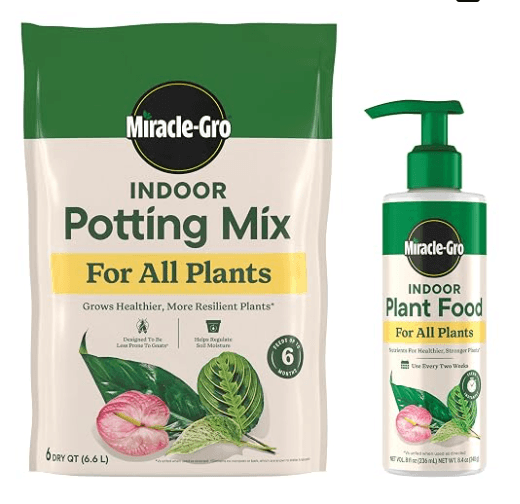
Miracle-Gro Indoor Plant Food
NPK 1-1-1 · Liquid · 8 oz, 2-Pack
Safest option for beginners. Ready-to-use dose is genuinely hard to over-apply.
Check Price on Amazon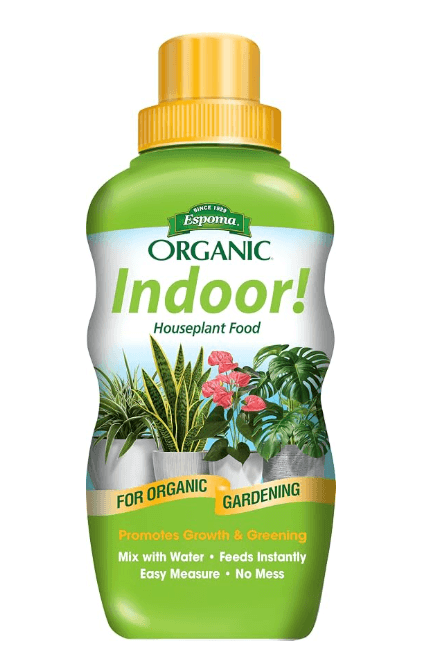 Best Organic
Espoma Organic Indoor! Liquid Plant Food
NPK 2-2-2 · Liquid, Organic · 8 fl oz, 2-Pack
Gentle, microbe-enriched formula. No salt crust issues on the soil surface.
Check Price on Amazon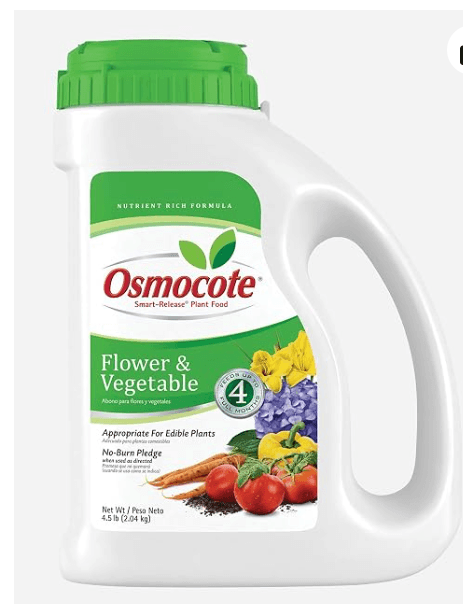 Best Granular
Osmocote Smart-Release Plant Food
NPK 14-14-14 · Granular, Slow-Release
Set-and-forget feeding for the whole season. Best in terracotta pots.
Check Price on AmazonMost people who kill a snake plant do not kill it from thirst.
They kill it by trying too hard too much water, too much sun, or in my case, way too much fertilizer.
I dumped a full-strength liquid fertilizer on my first Sansevieria trifasciata thinking I was helping it grow faster. Within two weeks the leaf tips had turned crispy brown and the roots were half-rotted. I thought it was underwatering. It was not.
Snake plants are native to dry, rocky, nutrient-poor soil in West Africa. They are built to survive neglect. The best fertilizer for snake plants is less about finding a magic product and more about understanding that these plants are adapted to lean conditions and adjusting your feeding habits accordingly.
Here is everything I know after years of keeping snake plants, including the mistakes I made, the products I actually use, and the schedule that keeps mine growing steadily without any drama.
Why Snake Plants Need So Little Fertilizer
Before you buy anything, it helps to understand how snake plants actually grow.
In their natural habitat, the soil is low in organic matter and nutrients. The Missouri Botanical Garden’s Sansevieria profile describes this native environment in detail and is worth reading if you want to understand what conditions the plant is actually adapted to. The plants grow slowly by design their thick, waxy leaves are built for long-term water and nutrient storage.
When you fertilize a snake plant too heavily, a few things happen. First, the salt from the fertilizer builds up in the soil and starts to pull moisture out of the roots through osmosis. The roots dehydrate. Leaf tips start to burn. Everything starts to look stressed.
Second, excess nitrogen pushes soft, fast growth. On a snake plant, fast growth means soft leaves that flop over rather than standing upright. The plant loses its structure and looks wrong.
So the goal with snake plant fertilizer is not to push growth. It is to gently supplement the soil during the growing months and stay completely hands-off in winter.
The Best Fertilizer for Snake Plant: My Top Picks
I have tried quite a few products over the years. These are the ones I keep coming back to and why.
1. Miracle-Gro Indoor Plant Food (Liquid)
NPK: 1-1-1 (ready-to-use) or diluted from concentrateThis is the safest option for beginners and the one I recommend to anyone who has had trouble with fertilizer burn before.
The ready-to-use version has a very low nutrient concentration specifically designed for indoor plants that grow in limited soil volumes. You apply it every two weeks during the growing season and it is genuinely hard to over-apply at the stated dose.
I use the pump concentrate version diluted to half the stated dose. That gives me full control and makes the bottle last the entire season for multiple plants. The results are steady, healthy growth without any of the burn issues I experienced early on.
Check Price on Amazon
2. Espoma Organic Indoor! Liquid Plant Food
NPK: 2-2-2This is an organic liquid fertilizer made from hydrolyzed feather meal and other plant-based ingredients. The 2-2-2 ratio is about as gentle as it gets and the organic form means nutrients release more slowly than synthetic options.
What I like about this one is that it also contains beneficial microbes that improve soil health over time. If you are weighing organic against synthetic for your other potted plants, our guide on organic vs synthetic fertilizer for potted plants covers the full comparison. In a pot that never gets refreshed with garden soil, that matters more than people realize.
I switched to this after a batch of my snake plants developed salt crust on the soil surface from synthetic fertilizer. Since switching to organic, I have not seen that problem again. Apply every 3 to 4 weeks during the growing season.
Check Price on Amazon
3. Osmocote Smart-Release Plant Food
NPK: 14-14-14Osmocote is a slow-release granular fertilizer that releases nutrients over four to six months based on soil temperature. For snake plants, I use it at a quarter of the label rate just a small pinch worked into the top inch of soil once in spring.
The benefit is that you literally cannot forget to fertilize. One application and the plant is covered for the season. The risk is that if you use too much, you cannot flush it out the way you can with liquid. If you are undecided between the two formats, our fertilizer spikes vs liquid fertilizer guide walks through the real trade-offs for indoor plants. So be conservative.
I use this on my snake plants in terracotta pots that dry out quickly, where liquid fertilizer tends to flush through before it does much good. In plastic pots I stick to liquid.
Check Price on AmazonWhat to Avoid Feeding Snake Plants
Just as important as knowing what works is knowing what makes things worse.
- Full-strength outdoor fertilizers. Products like 10-10-10 or Miracle-Gro All Purpose at full label dose are formulated for fast-growing garden plants that can handle heavy feeding. Our full breakdown on liquid vs granular fertilizer for houseplants explains exactly why concentration matters so much in pots. On a slow-growing snake plant in a pot, the same dose causes immediate salt burn. Always use half strength or less.
- High-nitrogen fertilizers. Nitrogen (the first number in NPK) drives leafy growth. For a snake plant, excess nitrogen produces soft, floppy leaves that lose their upright structure. A balanced or even phosphorus-leaning ratio is better for keeping leaves firm and healthy.
- Fertilizing in winter. Snake plants go semi-dormant in low-light winter months. Their roots are barely active and nutrient uptake slows almost to nothing. Any fertilizer applied in winter just accumulates as salt in the soil. Stop completely from October through March.
- Fertilizing a stressed or sick plant. If your snake plant already has root rot, pests, or severe leaf damage, adding fertilizer will make it worse. Fix the underlying problem first. Fertilizer is food, not medicine.
- Fertilizing dry soil. Always water your snake plant before applying liquid fertilizer. Applying fertilizer to dry soil concentrates the salts directly against dry roots and causes burn almost immediately. Wet soil first, fertilize second.
The Feeding Schedule That Actually Works
This is the routine I follow for all my snake plants. It is simple, low-risk, and produces steady healthy growth without any drama.
-
1April: First feed of the year. Use a balanced liquid fertilizer at half strength. Water the plant first, then apply. This signals the start of the growing season.
-
2May through July: Feed once every 4 to 6 weeks. Snake plants grow slowly they do not need monthly feeding. Watch the plant. If it is pushing new leaves, that is your signal that it is actively growing and ready for a light feed.
-
3August: Last optional feed. Only if the plant is still actively growing. Skip this if growth has slowed or the plant is in a lower-light spot heading into autumn.
-
4September through March: No fertilizer at all. This rest period is important. Forcing growth in low-light winter conditions produces weak, pale leaves.
The Connection Between Light and Fertilizer Most People Miss
This was the biggest thing I learned after my first year of keeping snake plants.
Plants convert nutrients into growth through photosynthesis. No light, no photosynthesis. Without photosynthesis, there is no growth. And with no growth happening, the fertilizer has nowhere to go.
A snake plant sitting in a dark corner barely needs any fertilizer at all. The University of Florida IFAS Extension fact sheet on Sansevieria reinforces this point and recommends reduced watering and feeding as conditions get darker maybe one very light feed in early summer and nothing else. The plant is not growing fast enough to use more than that.
A snake plant in a bright indirect light spot a few feet from a south or west facing window will grow noticeably faster and can handle slightly more regular feeding.
Match your fertilizer frequency to the light level, not to a calendar. I learned this when I moved a snake plant from a bright bathroom to a dim hallway and kept feeding it on the same schedule. Within a month the soil smelled off and the roots had started to sit in nutrient-saturated, stale soil. The fix was to stop feeding entirely for two months and let the plant catch up.
Signs Your Snake Plant Actually Needs Fertilizer
Snake plants are very good at looking perfectly fine even when mildly deficient. But there are a few signs worth watching for.
Pale or washed-out leaf color
If the deep green color of the leaves fades to a lighter, duller green, nitrogen deficiency is a possible cause. Check the light levels first inadequate light causes the same symptom. If the plant is in decent light and the color is still fading, a half-strength balanced feed often restores it within a few weeks.
No new growth for an entire growing season
Snake plants are slow but they should push at least one or two new leaves between spring and summer if conditions are right. If yours has been completely static for an entire season and the soil and watering are fine, a gentle feed in early summer can encourage it.
Older leaves going limp or yellowing at the base
This can signal several things, but if the soil has been in the same pot for two or more years without repotting, the nutrients in the potting mix may simply be exhausted. Either repot with fresh soil or start a gentle feeding routine.
The Most Common Fertilizing Mistakes With Snake Plants
Fertilizing right after repotting
Fresh potting mix already contains nutrients from compost and slow-release pellets. Adding fertilizer on top of that in the first six weeks causes concentration spikes. I always wait at least six weeks after repotting before I feed anything.
Using aquarium water as fertilizer
Some houseplant guides recommend using aquarium water as a natural fertilizer. It does contain some nitrogen from fish waste, but the nutrient levels are unpredictable and it can introduce algae. I tried it once. The soil developed a green algae crust on the surface and smelled like pond water. Stick to proper diluted fertilizer instead.
Feeding more when growth stalls
The instinct when a plant stops growing is to feed it more. With snake plants this almost always makes things worse. Growth stalls in low light, overwatered soil, cold temperatures, and root-bound conditions none of which are fixed by adding more nutrients. Diagnose the actual problem first.
Ignoring the pot size
A snake plant in a very small pot has very little soil volume. Penn State Extension notes that snake plants thrive when slightly pot-bound, which also means the soil volume stays small and nutrients concentrate faster than you expect. Nutrients concentrate quickly. Use less fertilizer than you think you need about half the dose you would use for a plant in a larger container.
Quick Comparison: Best Fertilizers for Snake Plants
| Fertilizer | Type | Best For | How Often | Risk Level |
|---|---|---|---|---|
| Miracle-Gro Indoor Plant Food | Liquid synthetic | Beginners, consistent feeding | Every 4 to 6 weeks | Low (at half dose) |
| Espoma Indoor! Organic | Liquid organic | Soil health, gentle feeding | Every 4 to 6 weeks | Very low |
| Osmocote Smart-Release | Granular slow-release | Set-and-forget, terracotta pots | Once in spring | Low (at quarter dose) |
| Any full-strength outdoor fertilizer | Varies | Not recommended | Never | High |