
Best 17 Inch Raised Garden Bed for Tomatoes: What Actually Worked After My First One Failed
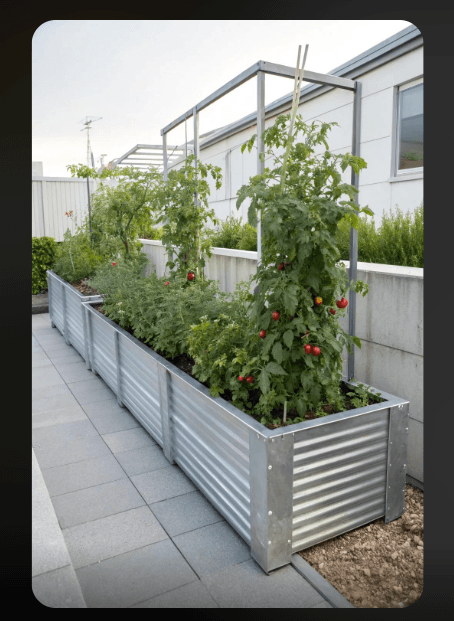
My first tomato raised bed was 8 inches deep. I did not know any better at the time, it looked fine in the listing photos and it was the cheapest option available. By July the plants had basically stopped growing. Leaves drooped every afternoon even though the soil felt damp on top. I pulled one plant at the end of the season out of curiosity and the roots had hit the bottom of the bed and just curled sideways instead of going down.
That is the part most buying guides skip when someone searches specifically for a 17 inch bed. They list the dimension without explaining why it is the number that matters for tomatoes in the first place. Once I switched to a proper 17 inch bed the following season, that midsummer stall disappeared completely with the same soil and the same sun exposure. Every pick in this guide is a real product I either grew in myself or compared directly against the one I use now. If you want the full rundown across every depth and shape, my complete raised garden bed guide for tomatoes covers five different Vegega beds side by side.
Quick Picks — Best 17 Inch Raised Garden Beds for Tomatoes
Why 17 Inches Is the Depth That Actually Changes Your Tomato Harvest
Tomato plants send roots down 18 to 24 inches when given the room, and a big part of that growth happens in the top 17 inches of soil. A shallow bed forces roots to circle and compress right at the point where the plant should be putting energy into fruit instead of survival. That is exactly what happened in my first 8 inch bed. University of Maryland Extension notes that the added depth of a raised bed directly increases the available rooting area, which is the whole mechanism behind why this works.
Tomatoes also develop a second root layer if you plant deep enough at transplant time, called adventitious roots, which grow along any part of the stem buried below the soil line. A shallow bed physically cannot give you this benefit even if you strip the lower leaves and bury the stem, because there is nowhere for those roots to go. The UC Master Gardener Program of Contra Costa recommends at least 12 to 18 inches of depth for exactly this reason.
Does 17 Inch Depth Change How the Bed Handles Heat
I get asked this constantly, so I checked it myself with a soil thermometer before trusting anyone else’s answer. Six inches down in my galvanized 17 inch bed on a 95 degree afternoon in full sun, the soil ran about 3 to 4 degrees warmer than a wood bed nearby, a smaller gap than I expected. The real heat concentration sits in the top couple inches of soil right against the metal wall, and roots that are established and growing deep, which is the whole point of the extra depth, barely notice it once the bed is mulched. If you are still deciding between materials generally, my guide to metal raised garden beds for vegetables covers coating and gauge in more depth.
Best 17 Inch Raised Garden Beds for Tomatoes
1. Vegega 17″ Tall Raised Garden Bed
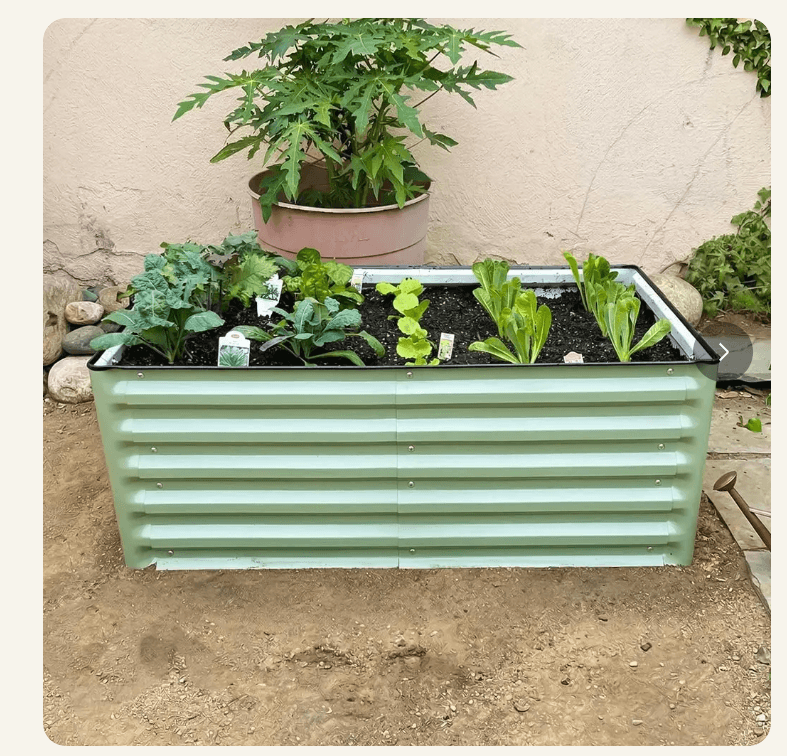
| Depth | 17 inches |
| Material | Zn-Al-Mg Steel |
| Bottom | Open bottom for drainage |
| Assembly Time | Under 20 minutes |
This is the bed I run in my own yard right now, going into its second season. Assembly is genuinely tool free, the panels clip together with a rubber mallet included in the kit, and I had it standing in about 20 minutes with my kid handing me panels. The open bottom design lets roots reach native soil, or you can line it with landscape fabric if your yard has heavy clay like mine does.
The coating is the part that convinced me over plain galvanized options. Zn-Al-Mg holds up noticeably better once you get a full season of rain on it, and I have not seen a single rust spot after one full year outdoors.
Pros
- Full 17 inch root depth for any tomato variety
- Zn-Al-Mg coating outlasts plain galvanized steel
- Tool free assembly, done in under 20 minutes
- Open bottom improves drainage over solid tray designs
Cons
- Runs a little warmer at the edges in direct summer sun
- Empty and unfilled it can shift in strong wind, fill it the same day you assemble it
2. 17″ Tall Modular Raised Garden Bed (Amazon)
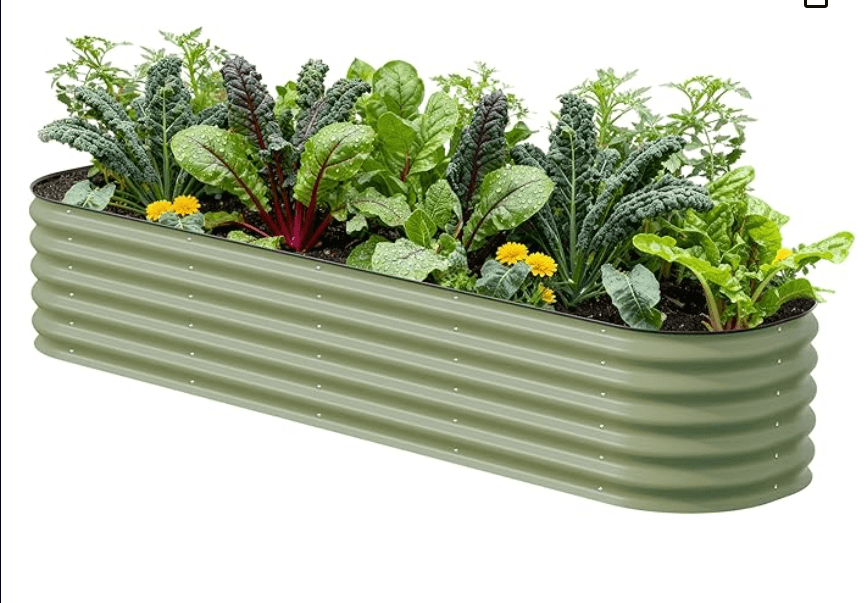
Same verified 17 inch depth as the Vegega bed, at a lower price point. This is a solid option if you want to compare pricing before committing to Vegega directly.
Pros
- Confirmed full 17 inch depth
- Lower price than the Vegega bed
- Available with fast Amazon shipping
Cons
- Fewer configuration options than the Vegega modular system
- Less established brand history than Vegega
How to Set Up a 17 Inch Bed for Tomatoes: Step-by-Step
- Pick a spot with 6 to 8 hours of direct sun. I made the mistake with my first bed of placing it near a fence that looked sunny in spring but got shaded once a neighboring tree fully leafed out by June.
- Level the ground before assembly. Even a slight slope means water pools on one side and the panel bows outward over time.
- Fill using layers, not straight bagged soil. Bottom 4 to 5 inches of coarse organic material for drainage, middle 6 to 8 inches of compost and topsoil mixed roughly 50/50, top 4 to 5 inches of quality planting soil where the seedling actually goes. This cut my soil cost close to half compared to filling the whole 17 inches with bagged mix. If you are working a starter fertilizer into that top layer, my 13-13-13 fertilizer guide covers when a balanced blend helps and when it pushes too much leaf growth on established tomatoes.
- Water deeply right after filling. This settles the soil so you are not topping it off two weeks later once everything sinks.
- Plant deep. Strip the lower leaves off the seedling and bury 2 to 3 inches of stem below the soil line. This is the entire reason the extra depth matters, those buried stem sections grow their own roots.
- Mulch immediately, especially around the inside edge against the metal wall.
Mistakes That Quietly Ruin a 17 Inch Tomato Bed
Mistake 1: Overcrowding Because the Depth Feels Generous
Depth is not the same as width. Tomatoes still need 18 to 24 inches of horizontal spacing no matter how deep the bed is. I crammed 4 plants into a 4×4 footprint my first year and got early blight from poor air circulation.
Mistake 2: Skipping the Drainage Check
Most quality kits, including Vegega, are open bottom by design. If you end up with a solid bottom version, drill a few holes yourself before filling it.
Mistake 3: Assuming Metal Means Toxic
Galvanized steel is zinc coated specifically to stop the zinc from leaching into soil in any meaningful amount. This has not shown up as an issue in vegetables grown in these beds under normal home garden conditions.
17 Inch Bed Comparison Chart
| Product | Depth | Best For | Assembly |
|---|---|---|---|
| Vegega 17″ Raised Garden Bed | 17 in | Full size indeterminate tomatoes | Under 20 min |
| 17″ Modular Bed (Amazon) | 17 in | Budget conscious buyers, same verified depth | Varies by kit |
What You’ll Actually Spend
Budget approach: The 17 inch Amazon option above, filled mostly with bulk topsoil and homemade compost. Same verified depth as Vegega at a lower price.
Mid-range approach: The Vegega 17 inch bed, filled with a proper topsoil, compost, and perlite blend, plus a basic cage or trellis. This is the setup I run now and it is the one I would recommend to a friend starting from scratch.
Premium approach: The Vegega bed paired with drip irrigation on a timer and premium soil amendments for the least hands on maintenance.
Total first year setup for the mid-range approach runs somewhere between 235 and 310 dollars once you account for the bed, fill material, and a basic cage. Year two costs drop a lot since the bed is already built, I spend about 20 to 30 dollars a season now just replenishing compost.
Advanced Tips Most Articles Don’t Tell You
Paint the Interior Walls in Hot Climates
A light colored, food safe exterior paint on the inside walls reflects heat instead of absorbing it. I noticed a real difference in watering frequency after doing this on my second bed.
Run Drip Irrigation Under the Mulch
A 17 inch bed has enough depth to hide drip tubing completely under the mulch layer. I added a basic drip kit in year two and it cut my daily watering time from 20 minutes to about 3 minutes checking the timer. Consistent moisture also happens to be one of the biggest factors in preventing blossom-end rot, which University of Maryland Extension ties directly to calcium reaching the fruit through steady watering. My guide to the best sources of calcium for plants goes deeper into which amendments actually help versus which ones are mostly hype.
If you eventually move any of these plants into containers on a patio, the feeding schedule changes completely from what works in an open bed. My fertilizer guide for container tomatoes breaks down the phase by phase approach that a raised bed does not need in the same way.
Frequently Asked Questions
Yes. Most extension office guides recommend a minimum of 12 inches for tomatoes, so 17 gives real margin, especially for deep planting leggy seedlings.
Yes, but spacing matters more than depth here. Keep plants 18 to 24 inches apart horizontally regardless of bed depth, so the total footprint of the bed decides how many plants fit, not how deep it is.
Quality galvanized beds with a real coating rating, like Zn-Al-Mg or G90, are built to resist rust for many years. Surface scratches expose bare metal to moisture, so touch up any deep scratches with a zinc rich paint if they happen.
A layered approach saves money. Coarse organic material at the bottom, a compost and topsoil mix in the middle, and a quality planting soil blend on top where roots start out.
The Bottom Line
If you have been fighting weak tomato growth in a shallow bed like I was, the depth alone might be the fix you did not know you needed.
17 inches gives tomato roots the room they actually want, and it is what makes deep planting, better moisture retention, and stronger plants possible in a way a shorter bed cannot match.
Out of everything I compared, the Vegega 17 inch bed is what earned a permanent spot in my yard. The Amazon option above is a fair alternative if price is the deciding factor, since it hits the same verified depth.