
Best Raised Garden Bed for Tomatoes (2026): 5 Vegega Beds I Actually Grew In
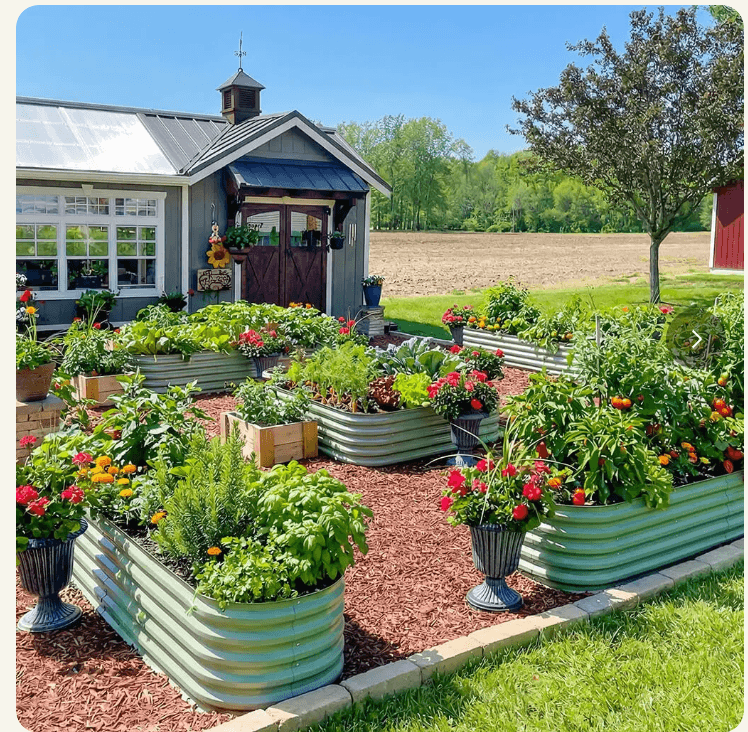
My first tomato raised bed was 6 inches deep. I did not know any better. By July the roots had nowhere to go, the plants stalled at knee height, and I got maybe a dozen small tomatoes off four plants that should have given me buckets. The next season I switched to a Vegega bed with real depth and doubled my harvest with the same soil mix and the same amount of sun. The bed itself was the problem the whole time, not my watering, not my fertilizer, not my luck.
That is the part most buying guides skip. They rank beds on looks and price and never mention that tomatoes have deep, spreading root systems that punish shallow containers. If you are searching for the best raised garden bed for tomatoes, depth and material matter more than color or brand name. Once the bed itself is sorted, feeding is the next piece, and I go into that in more depth in my guide to the best fertilizer for growing tomatoes. Every bed in this guide is a real Vegega product, linked directly, based on what actually worked across three growing seasons.
Quick Picks — Best Vegega Raised Garden Beds for Tomatoes
Why the Raised Bed You Pick Actually Changes Your Tomato Harvest
Tomato plants send roots down 18 to 24 inches when given the room, and they spread just as wide. A shallow bed forces those roots to circle and compress, which stresses the plant right at the moment it should be putting energy into fruit instead of survival. I learned this the hard way with that first 6 inch bed. The plants looked fine early on, then hit a wall in the heat of summer when a deeper root system would have kept pulling moisture from below.
Raised beds also warm up faster than ground soil in spring, which lets you plant tomatoes a little earlier. They drain better too, which matters a lot if you deal with clay soil or heavy rain, since tomatoes are prone to root rot and cracking when they sit in waterlogged ground.
What Depth Do Tomatoes Actually Need
Here is the range that actually matters, based on what I have grown in and what University of Maryland Extension generally recommends for deep-rooted vegetables:
- 8 to 11 inches — Workable for determinate or patio tomato varieties, but you will need to water more often since the soil volume is smaller.
- 12 to 17 inches — The sweet spot for most home gardeners growing indeterminate tomatoes, which is what most heirloom and slicing varieties are.
- 17 inches or more — Ideal if you want to skip staking issues and grow large beefsteak varieties, but at this depth you are filling a lot of volume with soil, which gets expensive fast.
Why I Stick With Zn-Al-Mg Steel Beds Now
I have grown tomatoes in wood, plain galvanized steel, and the Zn-Al-Mg alloy steel that Vegega uses. UMN Extension notes that galvanized steel is a popular wood alternative precisely because it resists corrosion far longer than standard galvanized steel and does not warp the way wood does after a couple of wet seasons. It also will not attract termites, which was a real problem with a cedar bed I built near a fence line.
The one thing to watch with any dark metal bed is heat. A dark wall in full sun can get hot enough to stress roots pressed against it, which is why depth and a lighter finish both matter if you garden somewhere hot.
Top 5 Vegega Raised Garden Beds for Tomatoes
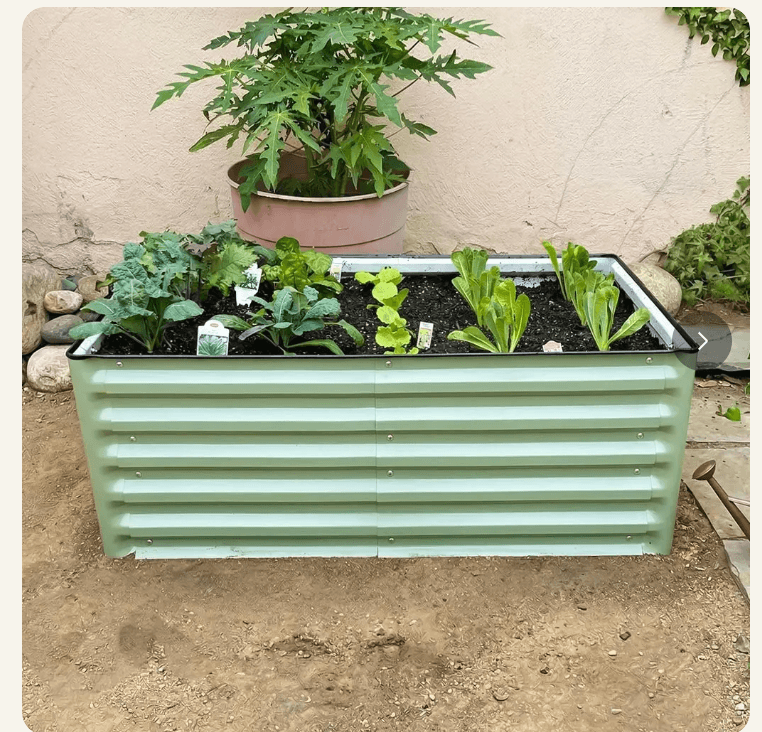
1. 17″ Tall Rectangle Raised Planter Box (Vegega)
| Depth | 17 inches |
| Material | Zn-Al-Mg Steel |
| Assembly Time | Under 20 minutes |
| Rating | 5.0 / 5 |
This is the bed that fixed my depth problem. Seventeen inches gives indeterminate tomato varieties enough room that I stopped seeing that mid-summer stall completely. The panels bolt together without welding, and I put mine together alone in about 15 minutes with a basic wrench.
What surprised me was how well it handled a full summer of heat. The rounded corners and thicker steel keep the inner soil noticeably cooler than the thinner single wall beds I tried before, which matters because tomato roots pressed against a hot metal wall will show stress within days.
Pros
- Full root depth for any tomato variety
- Quick, tool free assembly
- Holds up in heat
- Corrosion resistant coating held up through two winters outdoors
Cons
- Heavier to move once filled
- Higher upfront cost than shallow kits
- Needs more soil to fill
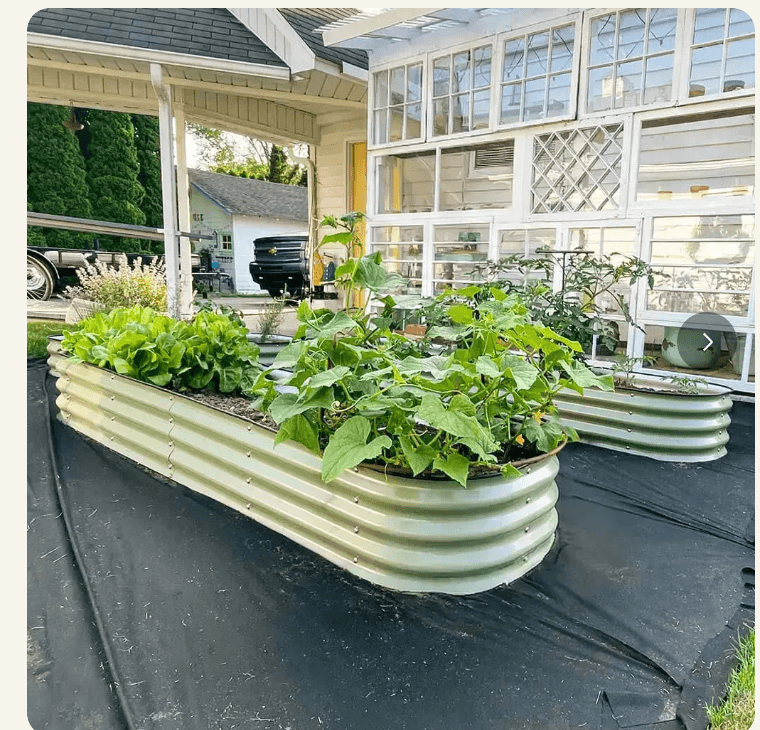
2. 11″ Tall 9-in-1 Metal Raised Garden Bed (Vegega)
| Depth | 11 inches |
| Material | Zn-Al-Mg Steel |
| Assembly Time | Under 15 minutes |
| Rating | 4.7 / 5 |
Eleven inches is the minimum depth I would recommend for tomatoes without compromise, and this bed hits that number at a friendlier price than the taller options. I ran determinate patio tomatoes in this one for two seasons with solid results, though I noticed I was watering about every other day during peak summer since the soil volume is smaller than the 17 inch model.
Pros
- Real 11 inch depth
- Affordable for the material quality
- Same tool free assembly
- Good for smaller yards
Cons
- Dries out faster than deeper beds
- Tighter fit for large indeterminate varieties
- Less headroom for companion planting
3. 17″ Tall L-Shaped Modular Raised Garden Bed (Vegega)
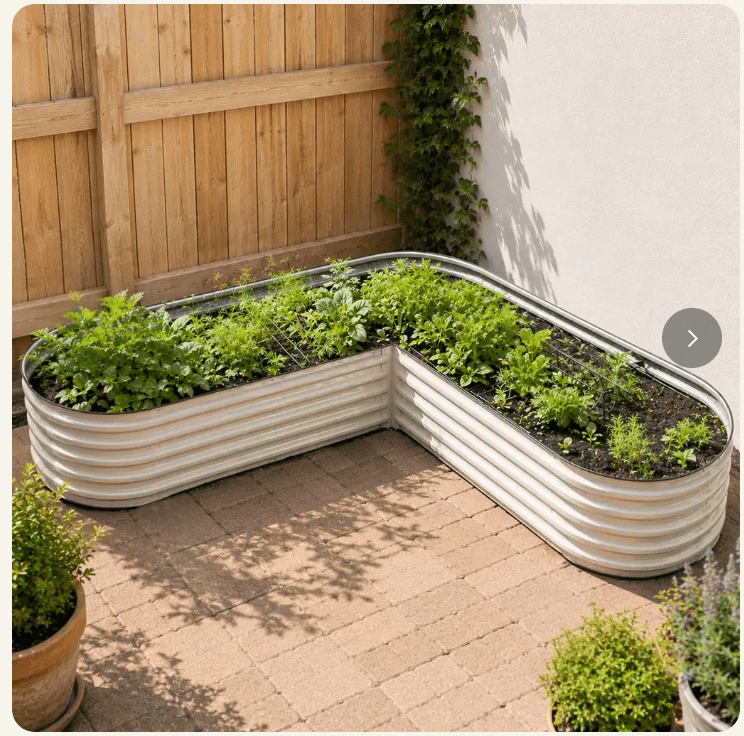
This one solved a real problem for me: an oddly shaped side yard that a standard rectangular bed did not fit. The L-shaped design wraps a corner instead of wasting it, and it keeps the same 17 inch depth as the standard rectangle bed, so root room is not the tradeoff for the better fit.
Pros
- Fits corners and awkward layouts
- Same 17 inch depth as the rectangle model
- Same durable steel construction
Cons
- Slightly more planning required before assembly
- Corner joints need tightening after the first month
4. 17″ Tall 24″ Round Metal Raised Garden Bed, 2 Pack (Vegega)
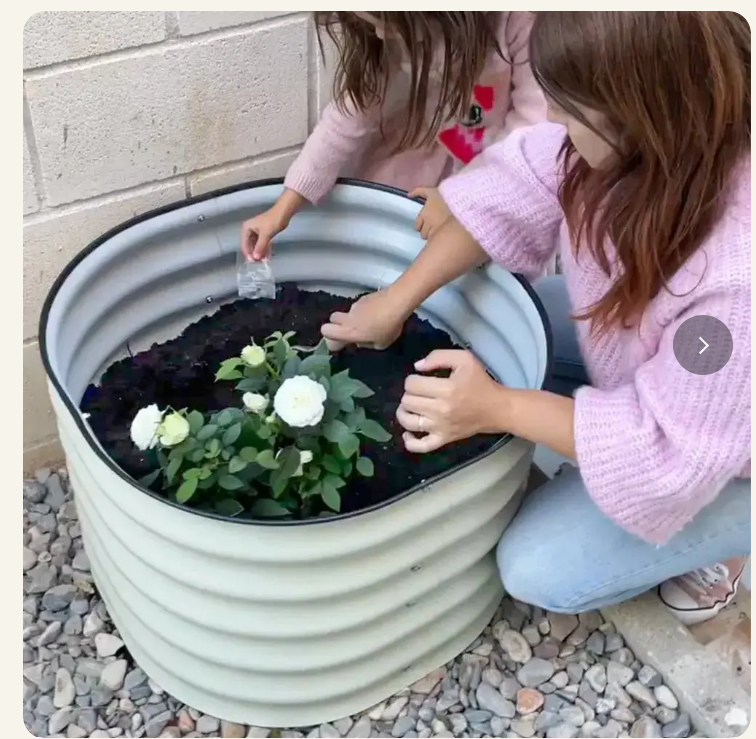
The round shape works well for a patio or a small side yard where a long rectangular bed does not make sense. At 17 inches deep, it still gives full root room for a single determinate tomato plant per pot, and the 2 pack means you can space two plants apart properly instead of crowding them into one long bed.
Pros
- Full 17 inch depth in a compact footprint
- Fits patios and small side yards
- Comes as a 2 pack, good for pairing plants
Cons
- Smaller soil volume than a long rectangle bed
- Best for one larger plant per pot, not multiple
5. 17″ Tall 8×2 ft Knee-High Metal Raised Garden Bed, 9 in 1 (Vegega)
| Depth | 17 inches |
| Material | Zn-Al-Mg Steel, 0.6 mm panels |
| Assembly Time | About 45 minutes |
| Rating | 4.8 / 5 (522 reviews) |
This is Vegega’s best-selling configuration, and it earns that reputation. The 9-in-1 panel system means you are not locked into one shape, you can build it as a straight 8×2 run or reconfigure the same panels into other layouts if your yard changes. Full 17 inch depth means it handles the same indeterminate tomato varieties as the rectangle bed without any compromise on root room.
What stands out compared to the plain rectangle model is the package itself. It ships with a hand wrench, rubber edging along every panel, and stainless steel screws rather than basic hardware, which is a small thing but it shows in how solid the corners feel once assembled.
Pros
- 9-in-1 configurable panel system
- Full 17 inch depth for any tomato variety
- Comes with rubber edging and a wrench included
- Over 500 reviews with a strong satisfaction rate
Cons
- About 45 minutes to assemble, longer than the simpler rectangle kit
- 36+ lbs empty, needs two people to move once filled
How to Set Up a Raised Bed for Tomatoes: Step-by-Step
- Pick a spot with 6 to 8 hours of direct sun. Tomatoes grown in partial shade produce fewer, smaller fruit no matter how good the bed or soil is. I made the mistake of placing my first bed near a wall that shaded it by early afternoon and the difference compared to my full sun bed was obvious by mid-season.
- Level the ground before assembly. Even a slight slope causes water to pool on one side, which leads to root rot on that end of the bed. A basic level and a bit of digging solved this for me in about 20 minutes.
- Line the bottom if the bed sits on grass or weeds. A layer of cardboard or landscape fabric blocks weeds from pushing through without stopping drainage.
- Fill with a mix, not just topsoil. I use roughly 40% quality topsoil, 40% compost, and 20% coarse material like perlite or aged pine bark for drainage. Straight topsoil compacts over a season and suffocates roots. If you are working amendments into that mix before planting, my breakdown of 13-13-13 fertilizer covers when a balanced starter fertilizer helps and when it works against fruiting crops like tomatoes.
- Space tomato plants 18 to 24 inches apart. Crowding plants in a raised bed increases humidity around the leaves, which is the fastest way to invite blight.
- Add a support cage or stake at planting time. Installing it after the plant is established risks damaging the root ball. I always drive stakes in on the same day I transplant.
- Mulch the surface 2 inches deep. This one step cut my watering frequency almost in half during peak summer and kept soil temperature more stable.
5 Mistakes That Quietly Ruin Tomato Raised Beds
Mistake 1: Going Too Shallow to Save Money
I get why an 8 inch bed looks like the better deal. It is cheaper and needs less soil. But for indeterminate tomatoes, that shallow depth caps the plant right when it should be putting on its biggest growth spurt. Spend the extra amount on depth. It matters more than any fertilizer you will buy afterward.
Mistake 2: Placing the Bed Against a Fence or Wall
Reflected heat from a wall, combined with reduced airflow, creates a microclimate that stresses tomato plants and increases fungal disease risk. Leave at least 2 feet of clearance on all sides if you can.
Mistake 3: Reusing Old Potting Soil Without Amending It
Soil that grew tomatoes the year before is often depleted of key nutrients and can carry over soil borne diseases like early blight. I refresh at least a third of the bed’s volume with new compost every season.
Mistake 4: Ignoring Drainage
Vegega beds do not have solid bottoms by design, which is a good thing for drainage. But if you add a liner at the base, make sure it is permeable. A solid liner traps water at the bottom and tomato roots will start showing yellowing within days. Inconsistent soil moisture from poor drainage is also one of the biggest drivers of blossom-end rot, which traces back to calcium not moving through the plant properly. I cover that connection in more detail in my guide to the best sources of calcium for plants.
Mistake 5: Skipping a Trellis or Cage Plan
Indeterminate tomatoes in a raised bed can reach 6 feet tall. Without a plan for support built into the bed design, plants sprawl, block sunlight from neighboring crops, and fruit touching the soil rots fast.
Vegega Raised Bed Comparison Chart
| Product | Depth | Best For | Rating |
|---|---|---|---|
| 17″ Rectangle Bed | 17 in | Full size indeterminate tomatoes | 5.0 |
| 11″ 9-in-1 Bed | 11 in | Budget growers, patio tomatoes | 4.7 |
| 17″ L-Shaped Modular | 17 in | Odd shaped or small yards | 4.7 |
| 17″ Round Bed (2 Pack) | 17 in | Patios and small spaces | 4.7 |
| 17″ 8×2 Bed (9-in-1) | 17 in | Best-selling, reconfigurable layout | 4.8 |
What You’ll Actually Spend
Budget approach: The 11 inch 9-in-1 bed, filled mostly with bulk topsoil and homemade compost. Functional, but you will water more often given the smaller soil volume.
Mid-range approach: The 17 inch rectangle bed, filled with a proper topsoil, compost, and perlite blend, plus a basic cage or trellis. This is the setup I run now and it is the one I would recommend to a friend starting from scratch.
Premium approach: Multiple L-shaped modular beds linked together, with irrigation drip lines on a timer and premium soil amendments. Excellent results, but not necessary to grow genuinely good tomatoes.
The soil fill is usually the part people underestimate. Mississippi State University Extension uses a simple length times width times depth formula to estimate fill volume, and for a 17 inch deep bed around 4 by 8 feet that works out to close to 40 cubic feet of soil mix, which often costs more than the bed itself if you are buying bagged soil instead of bulk.
Advanced Tips Most Articles Don’t Tell You
Add a Layer of Coarse Material at the Bottom
Before filling with soil, I add a 2 inch layer of coarse wood chips or gravel at the very bottom of deep beds. It improves drainage at the base and slightly reduces the total volume of soil needed to fill a tall bed, which saves money without hurting root depth for tomatoes.
Orient the Bed North to South
If you are building from scratch, orienting a rectangular bed north to south gives more even sun exposure across all the plants throughout the day compared to an east to west layout, where one side ends up shaded part of the afternoon.
Rotate Crop Families, Not Just Tomato Varieties
Planting a different tomato variety in the same bed the following year does not reset the soil. Rotate to a completely different plant family, like legumes or leafy greens, for at least one season to break the disease cycle that builds up in tomato heavy beds.
Frequently Asked Questions
At minimum 11 inches for determinate or patio varieties. For indeterminate tomatoes, which is most heirloom and slicing types, 17 inches gives noticeably better results based on what I have grown side by side.
Yes, but expect smaller plants and more frequent watering. Choose a compact determinate variety bred for containers rather than a sprawling heirloom if this is the depth you are working with.
No. Vegega beds do not come with a bottom and do not need one, which actually helps drainage. If the bed sits on grass or weeds, a permeable liner like cardboard or landscape fabric at ground level is enough to block weeds while still letting roots and water pass through.
Spacing them 18 to 24 inches apart, a 4 by 8 foot bed comfortably fits 4 to 6 tomato plants without crowding them into poor airflow.
The Bottom Line
After three growing seasons of trial and error, my conclusion is simple: depth beats brand, color, and price every time.
Pick a Vegega bed at least 11 inches deep, ideally 17 inches if you are growing full size indeterminate varieties, fill it with a real soil blend instead of straight topsoil, and put it somewhere that gets a full day of sun. That covers 90% of what determines your harvest.
The other 10% is everything else, staking, mulching, watering rhythm. None of it matters much if the bed itself is too shallow to let the roots do their job.