
Best 32 Inch Raised Garden Bed for Seniors: The Height That Actually Stops the Bending
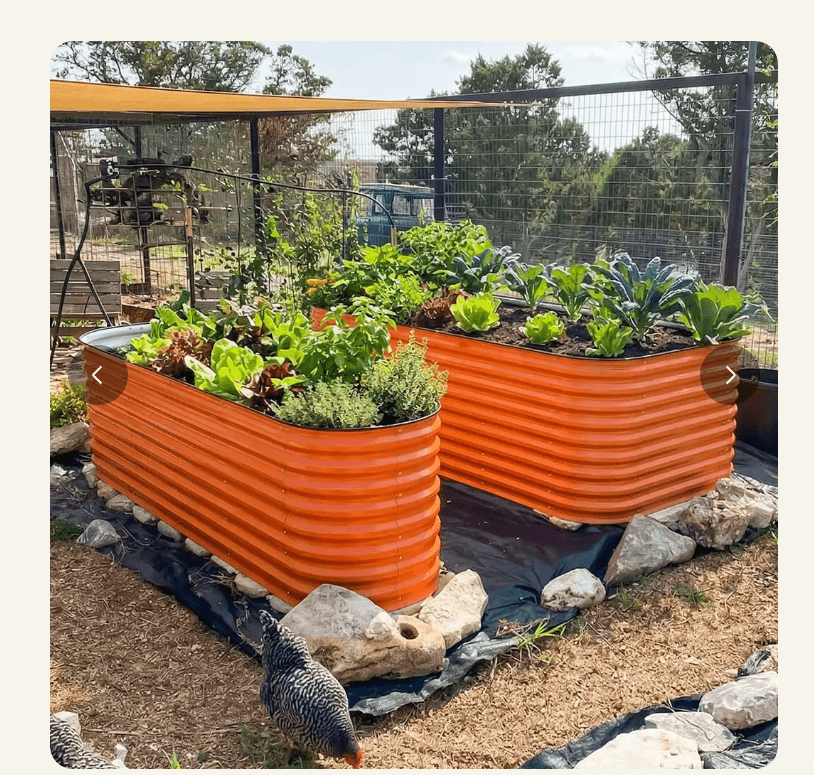
Most beds sold as raised beds only reach 11 to 17 inches, which still means bending from the hip every time you weed, water, or pick something ripe. A 32 inch bed changes that completely. The soil line sits close to standing waist height, so the tasks that wear out your knees or your lower back in a shorter bed become something you can do standing straight up.
This guide covers the specific 32 inch bed worth buying, the setup mistakes that quietly undo the whole point of going tall, what it actually costs once soil and accessories are added in, and the cases where 32 inches is not actually the right call. If tomatoes are your main crop and you are also weighing depth against height, our complete raised garden bed guide for tomatoes compares several Vegega beds side by side, and our 17 inch bed guide covers the shorter option some gardeners end up preferring.
Quick Picks — Best 32 Inch Raised Garden Beds for Seniors
Why 32 Inches Is the Height That Actually Solves Bending
The whole reason mobility focused raised beds exist is arm’s reach and stooping, and extension research programs have put real numbers on both. Oregon State University Extension notes that easy access beds built for standing gardeners work best when the surface sits close to fingertip height, so there is no stooping involved at all, not just less of it. That is the exact mechanism behind a 32 inch bed. It is tall enough that most adults can weed and harvest without bending from the hip, which is the motion that wears out knees and lower backs the fastest during a normal gardening session.
Width matters just as much as height once you are standing at full reach instead of leaning over. Iowa State University Extension recommends keeping a bed accessible from only one side to about 2 feet wide, since that is roughly arm’s reach without leaning. An 8 foot by 2 foot footprint follows that guidance exactly, which is a big part of why it is the shape we recommend below over wider layouts.
Is 32 Inches Better Than 17 or 24 Inches for Mobility
It depends on how much bending you are actually trying to eliminate. A 17 inch bed still requires bending from the hip to reach the bottom third of the soil, it is simply less bending than an in-ground bed. A 32 inch bed removes that motion almost entirely for a standing adult. If you are choosing between the two purely for comfort and not for a specific crop’s root depth, weigh how much reach you actually have against how much bending you are trying to eliminate before picking a height.
Best 32 Inch Raised Garden Beds for Seniors
1. Vegega 32″ Tall 8′ x 2′ Metal Raised Garden Bed (9-in-1)
| Height | 32 inches |
| Footprint | 8 ft x 2 ft |
| Material | Zn-Al-Mg steel |
| Assembly | Bracing rods included |
| Price | $289.95 |
This is Vegega’s flagship height, built specifically around the idea that you should not have to bend or kneel to garden. The 8×2 footprint keeps every inch within arm’s reach from either long side, and the Zn-Al-Mg coating is rated for roughly 4 times the corrosion resistance of standard galvanized steel, which matters since this bed sits outdoors touching wet soil year round.
The included bracing rods are not optional in practice. Thirty two inches of wet, filled soil puts real outward pressure on the panels, and the bed only holds its shape long term if every rod goes in during assembly, not just the ones that seem necessary.
Pros
- Waist-high design eliminates bending almost entirely for standing gardeners
- Zn-Al-Mg coating outlasts standard galvanized steel
- 8×2 footprint keeps the whole bed within arm’s reach
- Modular 9-in-1 panel system if you want to reconfigure later
Cons
- Heavier and pricier than shorter beds, plan the final spot before filling it
- Needs every bracing rod installed to hold its shape long term
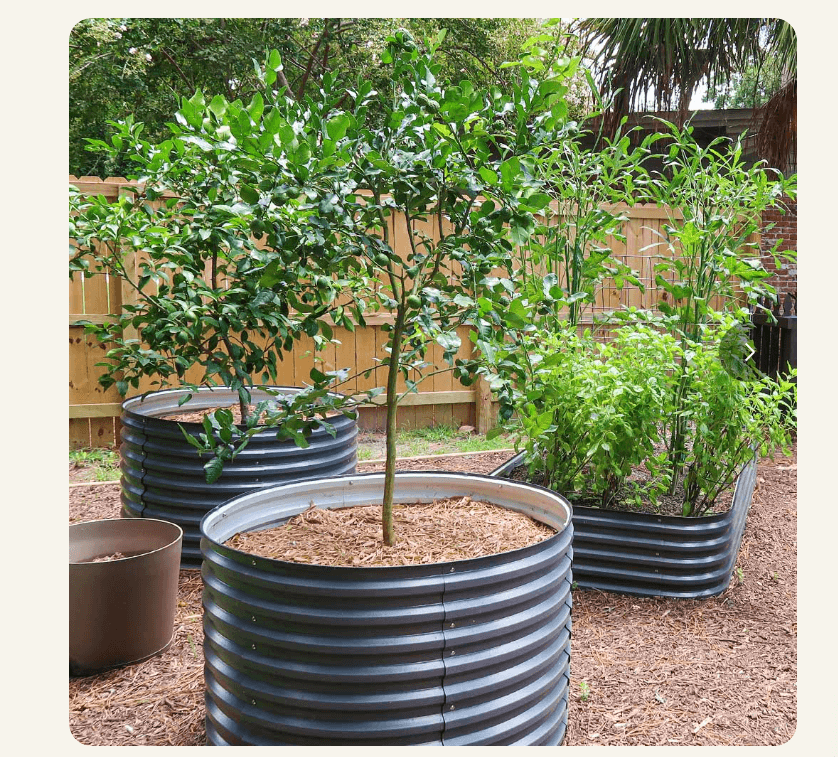
2. Vegega 32″ Tall 42″ Round Metal Raised Garden Bed
| Height | 32 inches |
| Footprint | 42 in round |
| Material | Galvanized steel |
| Price | $179.95 |
Same waist-high relief as the 8×2 bed above in a compact round footprint. A good fit if you garden solo, work with a small patio, or do not need 16 square feet of growing space yet. The round shape also means every point on the rim is within reach without any corners to lean into.
Pros
- Lower price than the 8×2 kit
- Compact enough for a patio or small yard
- No corners, so reach is consistent all the way around
Cons
- Less growing space, better as a second bed than a sole one
- Taller and narrower shape catches more wind, worth anchoring in exposed spots
How to Set Up a 32 Inch Bed Without Overdoing It
- Pick the final spot before anything else. A filled 32 inch bed commonly weighs 800 to 1,200 pounds. Decide where it lives before a single scoop of soil goes in, not after.
- Level the ground. Even a slight slope means water pools on one side and the panel bows outward over time.
- Install every bracing rod that comes in the box. This is the single biggest factor in whether the bed holds its shape past the first season.
- Fill using layers, not straight bagged soil. Bottom half with coarse organic material like logs and dry leaves, a method often called hugelkultur, topped off with quality soil and compost. This roughly halves your soil cost compared to filling all 32 inches with bagged mix.
- Water deeply right after filling. This settles the soil so you are not topping it off two weeks later once everything sinks.
- Mulch the top. A one to two inch layer slows the extra evaporation that comes with taller exposed side walls.
Mistakes That Undo the Whole Point of Buying Tall
Mistake 1: Buying Too Wide to Reach Across
Iowa State Extension puts arm’s reach from one side at roughly 2 feet, and an 8×2 bed follows that almost exactly. Anything noticeably wider than that means leaning over the lip to reach the middle, which puts you right back into the bending motion a tall bed is supposed to eliminate.
Mistake 2: Skipping the Bracing Rods
Wet soil is heavy, and 32 inches of it puts real outward pressure on the side panels. A bed without every rod installed, even if it looks fine on day one, will bow at the middle within a season.
Mistake 3: Assuming Height Replaces Sun
A 32 inch bed does nothing for a spot that only gets three hours of direct light. Most vegetables still need six to eight hours regardless of how tall the walls are, so pick the sunniest spot first and treat height as a separate decision.
32 Inch Bed Comparison Chart
| Product | Footprint | Best For | Price |
|---|---|---|---|
| Vegega 32″ 8×2 (9-in-1) | 8 ft x 2 ft | Most yards, full growing space | $289.95 |
| Vegega 32″ Round | 42 in round | Small patios, solo gardeners | $179.95 |
What You’ll Actually Spend
Budget approach: The round bed above, filled mostly with bulk topsoil and the layering method to keep soil costs down.
Mid-range approach: The 8×2 bed, filled with a proper topsoil, compost, and organic base layer. This is the setup we would recommend to a friend starting from scratch.
Premium approach: The 8×2 bed paired with a self-watering base and a cover system for frost and pest protection, for the least hands-on maintenance.
| Item | Typical Cost |
|---|---|
| 32″ 8×2 raised bed kit | $260 to $340 |
| Soil and amendments, layered fill | $120 to $260 |
| Optional self-watering base | $100 to $145 |
| Optional cover system | $60 to $150 |
| Realistic total, bed plus soil only | $380 to $600 |
Advanced Tips Most Guides Skip
Mulch Heavier Than You Think You Need To
More exposed side wall means more evaporation than a shallow bed, so a 32 inch bed generally dries out faster in hot weather. A slightly thicker mulch layer than you would use on a low bed keeps watering frequency reasonable through the hottest weeks.
Position It Against a Wall or Fence
This gives the tallest panels extra support and cuts down on wind exposure, which matters more for a tall, narrow bed like the round option than it does for a low, wide one.
Rust is the other question we get asked constantly, and it comes down to the coating, not the height. See our best metal raised garden bed for vegetables guide if material is the deciding factor for you.
The extra depth also opens up crops beyond tomatoes. Peppers and blueberries both do well in a bed this deep, and our bloom booster guide for peppers and acid fertilizer guide for blueberries cover the feeding specifics once they are in the ground. For a general starter fertilizer to work into that top soil layer at planting time, our 13-13-13 fertilizer guide covers the application rates that avoid pushing leaf growth at the expense of fruit.
Is 32 Inches Always the Right Height?
Not always, and it is worth being honest about that before you buy. If you garden from a wheelchair or a seated position, 32 inches can be too tall to reach into comfortably, since it is designed around standing access. A 17 or 24 inch bed paired with a wider reach zone tends to work better for seated gardening, since the goal shifts from eliminating bending to keeping everything within a shorter, controlled reach.
Frequently Asked Questions
Yes. Modern galvanized and Zn-Al-Mg steel beds are coated specifically to keep the metal from leaching into soil, the same type of coating used in food grade agricultural equipment.
Less than filling the whole thing with bagged soil. Layering organic debris in the bottom half and topping off with soil and compost typically cuts your bagged soil needs by close to half.
For most seated gardeners, yes. It is built around standing access. A 17 or 24 inch bed generally works better if you garden seated.
An 8×2 bed filled with soil commonly weighs somewhere between 800 and 1,200 pounds depending on how wet the soil is, which is why the final spot needs to be decided before filling it.
Not for erosion control the way you would with a shallow bed. Some gardeners still add a bottom layer of gravel purely to improve drainage in heavy clay yards.
Zn-Al-Mg steel beds are commonly rated around 20 years under normal outdoor exposure, well beyond what painted or basic galvanized panels typically hold up for.
The Bottom Line
If bending and kneeling are the reason you have been putting off raised bed gardening, 32 inches solves that directly instead of just softening it.
Get the bracing rods installed properly, keep the footprint close to 8×2 so nothing is out of reach, and use the layering method to keep the soil bill reasonable.
Out of everything compared here, the Vegega 8×2 is the one worth buying first. The round bed is the right call if space or budget says otherwise, and it holds the same waist-high advantage in a smaller footprint.